
Corporate
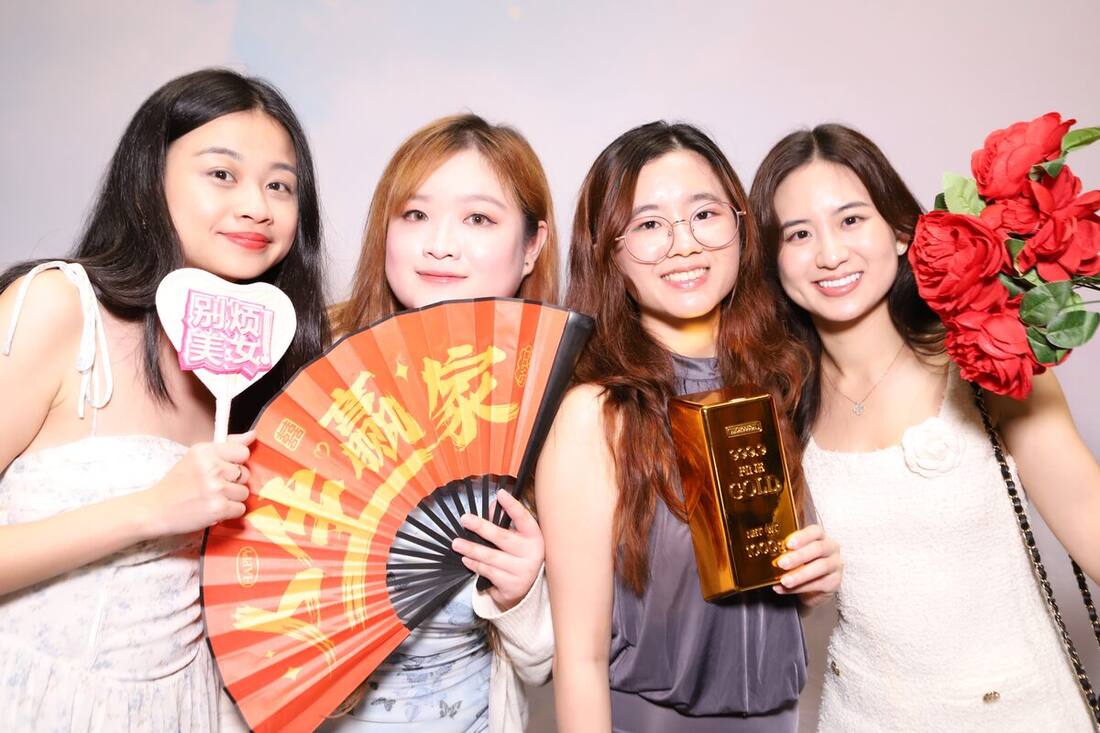
A 300-pax dinner and dance runs about four hours. Roughly 90 minutes of that is unstructured — the reception before doors open, the gaps between courses, and the stretch after the programme ends when people decide whether to stay.
Those 90 minutes are the whole game. Everything that goes wrong with a D&D goes wrong there: the room that never warms up, the empty dance floor, the half-full ballroom by 10pm. The stage programme usually takes care of itself.
Here are twenty D&D ideas organised around those windows, with what they cost for 300 people.
The quick answer
- Budget 10–20% of the event cost on entertainment — $3,000–$8,000 for 300 pax.
- Spend it on the three dead windows, not on a bigger stage act.
- Split the lucky draw across the night. Never save it all for the end.
- Anything that works on a queue beats anything that works on a stage.
- Give people a reason to still be in the room at 10pm.
Arrival and reception (the busiest 45 minutes)
Staff arrive in a tight window, collect a drink, and then stand in a foyer with colleagues they see every day. This is the single easiest window to fix and the one most often ignored.
1. A dress code with a prize worth winning
Themes work when the prize is real. A $500 voucher gets effort; a mug does not. Announce the winner early in the programme so the people who dressed up get their moment.
2. A souvenir station in the foyer
Anything that hands people a physical object. It forms a queue immediately, which turns a standing crowd into a social one.
3. A signature drink named after something internal
Cheap, and it gets photographed. Name it after a project everyone suffered through and it does more for morale than the speeches will.
4. A guess-the-baby-photo board
Senior management photos, numbered, with an answer reveal on stage. Costs nothing but printing, and it reliably pulls a crowd in the foyer.
5. A live photo feed on the ballroom screens
Shots from the reception appearing on screen during dinner. People check for themselves repeatedly, and it fills screen time that would otherwise show a static logo.
During dinner (the long middle)
6. Table trivia with a live leaderboard
One round between each course, scored on a screen. It gives tables a reason to talk to each other and fills the gaps without needing the stage.
7. A lucky draw split across the night
Three or four small draws between courses with the biggest prize last. Holding everything until the end empties the room early; spreading it keeps people seated.
8. A table-decorating contest
Props on each table, judged mid-dinner. The quiet tables get involved because it's a group task rather than a performance.
9. A caricature artist
Works the room table by table. People take the drawing home, which makes it one of the few table-level activities with a souvenir attached.
10. Close-up magic between courses
A roving magician reaches tables the stage never will. Best booked for the first half, while people are still seated and attentive.
11. A year-in-review video from staff clips
Collected over the preceding month from phones. It outperforms any professionally produced corporate video because the audience is in it.
12. The queue people actually want to join
Most D&D entertainment asks people to sit and watch. The things that genuinely lift a room ask them to stand up and do something — and the best of those sends them away holding a souvenir.
A magnet photobooth works at a dinner and dance for a reason that has nothing to do with photography. Colleagues who would never pose alone will pose in a group of six. The booth gives them a socially acceptable excuse to grab the people from the next table, and about ten seconds later they're each handed a fridge magnet with their own faces on it and the company logo on the design.
The magnet is the part that keeps working. It goes on a fridge at home, where it's seen every day for years — which is more than can be said for a branded tote. For a corporate budget that's a door gift and an entertainment line collapsed into one, at $988 for two hours with unlimited magnets.
One practical note for a 300-pax room: open the photo booth at the reception, not during dinner. Staff arrive in a tight window and have nothing to do for 30 to 45 minutes, and that's the busiest the station will be all night. Talk the headcount through with the operator before fixing the hours — a good vendor will tell you when two hours is optimistic rather than just take the booking. Peculiar Booth has run this format since 2017 and holds a 5.0★ rating on Google — the corporate photobooth page covers how it runs alongside an award programme.
Programme and stage
13. A department lip-sync or dance battle
The highest-engagement item on most D&D run sheets, because rehearsal starts weeks earlier and the event begins in people's heads before the night itself.
14. Awards nobody expects
Long service is obligatory. Invented categories — most messages sent after midnight, worst meeting-room booking habits — are what people actually remember.
15. An emcee from inside the company
A hired host is smoother. A colleague who knows the in-jokes is funnier, and the room responds to someone they recognise. Pair a confident internal host with a professional for the formal segments.
16. A live band for the first hour, DJ after
Bands build atmosphere during dinner; DJs fill dance floors. Booking only one usually means getting one of those two things.
17. A proper start signal for the dance floor
Dance floors fail because nobody wants to be first. Dim the lights, have the emcee call the management team up, and the problem solves itself.
Keeping the room after the programme
18. A late supper station
Satay, laksa, or anything hot appearing at 9.30pm. It resets the energy and gives people who were about to leave a reason to stay another half hour.
19. A recap slideshow on the screens
Photos from earlier in the same evening, running on loop. People stay to look for themselves, which is the cheapest crowd-retention device available.
20. Something to collect on the way out
A staffed table at the exit rather than gifts left on seats. Pickup rates are far higher when someone hands it over, and it keeps the end of the night feeling deliberate rather than drifting.
What to budget for 300 people
These are typical planning bands rather than quotes — rates vary widely by vendor and by how close to December you book.
| Item | Typical range |
|---|---|
| Live band or DJ | $1,500–$4,000 |
| Roving performer (magician, caricaturist) | $600–$1,500 |
| Lucky draw prizes | $1,000–$5,000 |
| Classic Photobooth | $498 / 2hr · $598 / 3hr |
| Magnet or Keychain Photobooth | $788 / 1hr · $988 / 2hr |
Every booth price above includes crew, setup, teardown, props, backdrop, custom design and logo branding. The 2026 price guide sets out the full list, and the corporate door gift ideas piece covers the souvenir side in more detail.
Three that don't work
Compulsory audience participation. Calling people on stage by name creates dread, not fun. Volunteers only, always.
A long slideshow of last year's event. Nobody watches. The same photos work far better as a live feed during dinner than as a block of programme time.
Entertainment that only faces the stage. At 300 people, a third of the room can't see properly and a third isn't looking. Anything that works on a queue — a photo booth, a food station, a roving performer — reaches the people a stage act never will.
D&D planning FAQs
How long should a corporate dinner and dance run?
Four hours is standard in Singapore, usually 6.30pm to 10.30pm. Roughly 90 minutes of that is unstructured: the reception, the gaps between courses, and the stretch after the programme. Those three windows are where entertainment either works or is missing.
What should we budget for D&D entertainment?
Most companies allocate 10% to 20% of the total event budget. For a 300-pax dinner that often lands between $3,000 and $8,000 across a band or DJ, a photo station, prizes and any hired performers. Spend it on the dead windows rather than on a bigger stage act.
How do we get people to stay until the end?
Split the lucky draw across the night instead of holding it all until the end, and make the final prize worth staying for. Announce it early. The other reliable method is giving people something to collect on the way out, so there's a reason to still be in the room when the programme finishes.
What is the best entertainment for a 300-pax dinner and dance?
Something that works on a queue rather than on a stage. A stage act entertains people who are already seated and facing it. A photo station, caricature artist or roving magician gives the 200 people not looking at the stage something to do, which is where most D&D energy is lost.
How much does a photobooth cost for a company D&D?
The Classic Photobooth is $498 for 2 hours or $598 for 3 hours, with unlimited instant prints. The Magnet and Keychain Photobooths are $988 for 2 hours or $788 for a single hour, with unlimited souvenirs, props, backdrop, crew and company logo branding included. Additional hours are $180 on the Classic and $380 on the souvenir booths.
When should the photo station open at a D&D?
At the reception, before the ballroom doors open. Staff arrive in a tight window, stand around with a drink and have nothing to do for 30 to 45 minutes. That's the busiest the station will be all night. Keep it running through the first course and close it once the programme takes over.
Planning this year's D&D?
Send your date, venue and headcount and we'll quote you right away. December dates go early.
WhatsApp 8027 8708 Enquire Online